

You have good beans. You have a machine that cost real money. You follow the same steps every morning. And yet — the coffee still tastes flat, bitter, or just vaguely wrong compared to what you'd get at a café.
You're not imagining it. There's a real reason, and it's almost never the beans.
Here are the four things that actually determine whether your home coffee is great or just okay — and how to fix each one without buying anything expensive.
1. Your Water Temperature Is Wrong
This is the biggest culprit, and almost no one talks about it. Coffee brews correctly between 195°F and 205°F (just off boiling). Most basic drip machines and cheap kettles either undershoot or inconsistently heat water — which means you're under-extracting the coffee, producing that weak, sour, "not quite right" taste.
The fix: If you use a kettle, bring it to a full boil, then let it sit for 30–45 seconds before pouring. That's roughly 200°F — the sweet spot. If you use a drip machine, look for one with a "pre-infusion" or "bloom" setting. Machines that can't reach 200°F consistently are the single most common reason home coffee disappoints.
2. You're Grinding Wrong (Or Not Grinding at All)
Pre-ground coffee starts going stale within 15 minutes of grinding. By the time it reaches your kitchen, it's already flat. The oils that carry flavour have started oxidising the moment the grounds hit air.
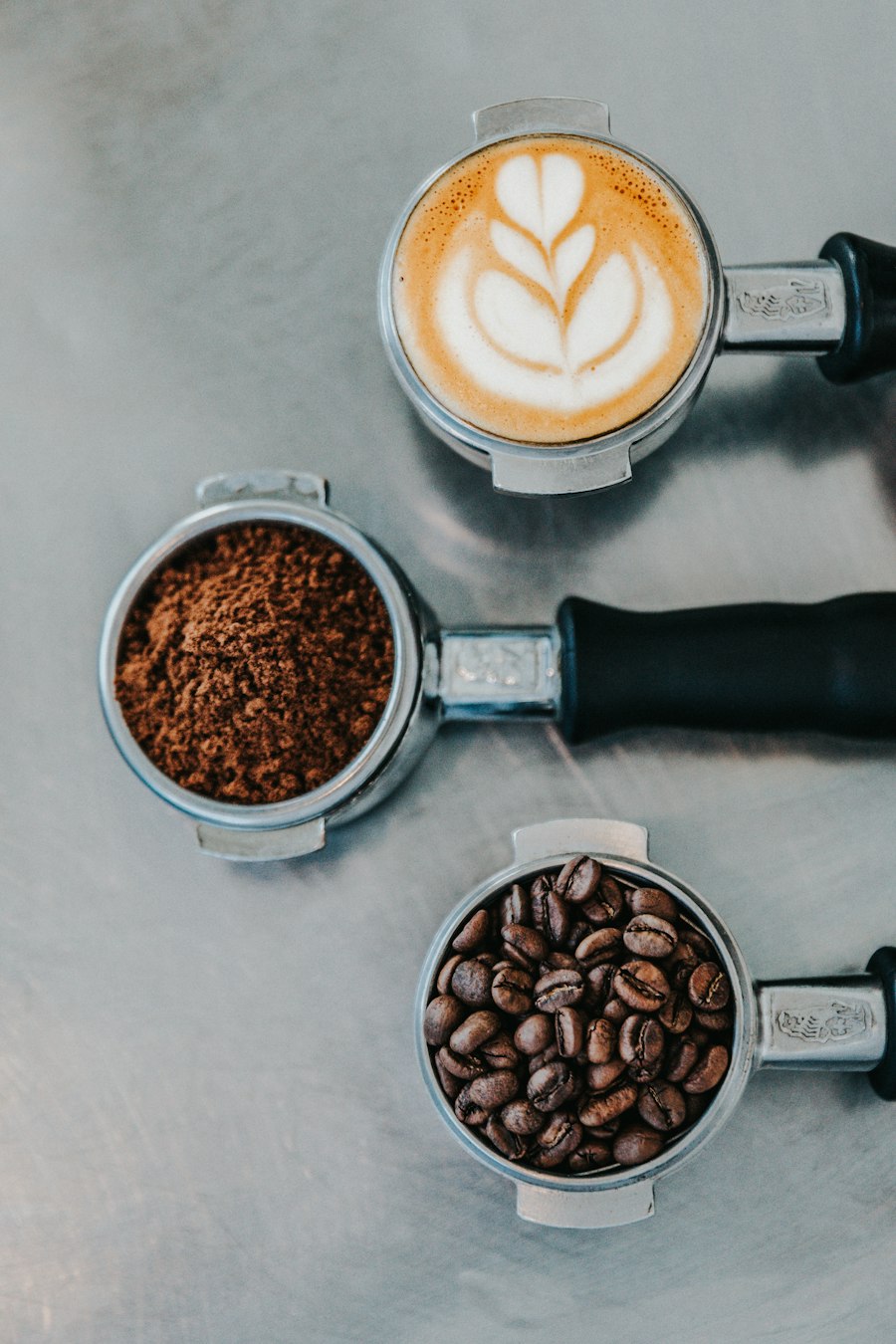
The fix: Grind fresh, right before brewing. Even a basic burr grinder changes the result dramatically. And match your grind to your method — French press needs coarse, drip needs medium, espresso needs fine. Wrong grind size gives you either bitter (too fine, over-extracted) or weak (too coarse, under-extracted) coffee.
3. Your Machine Is Dirtier Than You Think
Coffee oils build up inside your machine after every brew. After a few weeks without cleaning, those oils go rancid — and every cup picks up that rancid edge. It's subtle, but it makes every brew taste slightly off no matter how good your beans are.
The fix: Run a descaling cycle with a 1:1 white vinegar and water solution once a month. Then run two full cycles of plain water to rinse. Wipe the portafilter, carafe, and any removable parts after each use. This alone improves coffee noticeably for most people.
4. Your Water Is Fighting You
Tap water with high mineral content (hard water) can make coffee taste chalky. Distilled water, on the other end, strips flavour entirely — coffee needs some minerals to extract properly. Most cafés filter their water specifically for coffee.
The fix: Use filtered water from a standard pitcher filter (like Brita). It removes chlorine and excess minerals while keeping enough for proper extraction. This single change surprises people every time.
The Quick Checklist Before Your Next Cup
- ✅ Water at 195–205°F (30 sec off boil)
- ✅ Beans ground fresh, just before brewing
- ✅ Grind size matched to your brew method
- ✅ Machine cleaned and descaled within the last month
- ✅ Filtered tap water — not distilled, not straight from the tap
Run through that checklist and your next cup will taste like you spent more money. You didn't — you just got the variables right.
When the Machine Itself Is the Problem
Sometimes the machine genuinely can't reach proper temperature or maintain consistent pressure. If you've optimised everything above and the coffee is still disappointing, that's worth knowing — because a better machine will actually make a difference.